
 Up to 50-70 safety valves repaired per day
 Up to 25-35 gate valves repaired per day
 On-site testing with nitrogen up to 200 bar
 Fast on-site troubleshooting
Service
Warranty and post-warranty repair, maintenance, overhaul and on-site testing of valves and safety valves
Our service support
Maintenance, overhaul and on-site testing
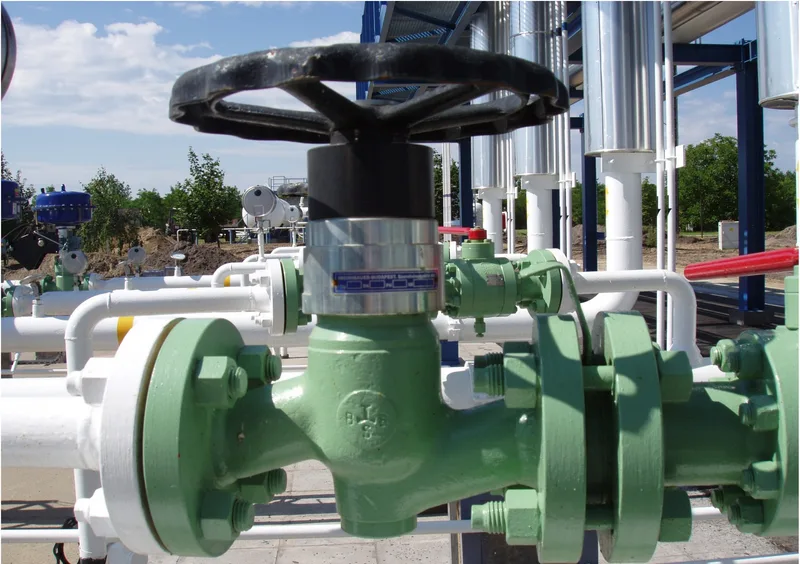
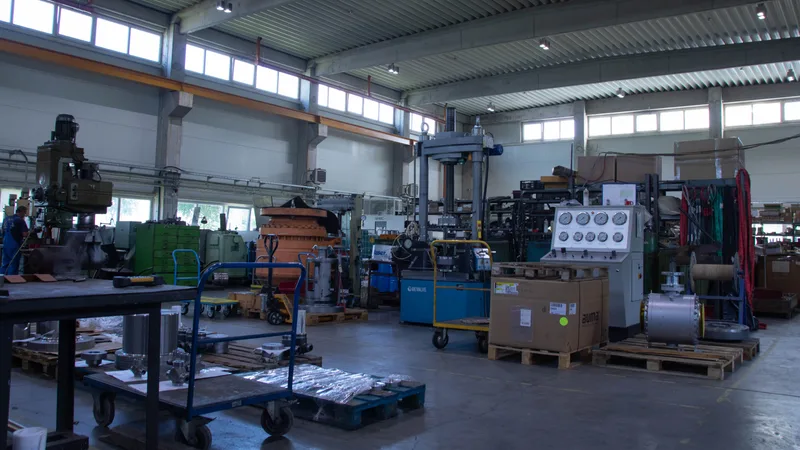
Our service workshop provides warranty and post-warranty service for both the valves we manufacture and Leser safety valves: repair, overhaul, calibration and pressure testing of safety valves, as well as repair and overhaul of control, shut-off and check valves and gate valves.
During planned shutdowns we also take on scheduled repairs in large batches, and in the event of a breakdown we are available for fast on-site intervention. With our mobile test units we also check the set pressure on site, with the valve installed - if necessary by measuring the spring force under operating conditions.
Our service operation has also been qualified by MVM Paks Nuclear Power Plant, and our quality management system operates in accordance with ISO 9001 and ISO 3834-2.
- Up to 50-70 safety valves repaired per day
- Up to 25-35 gate valves repaired per day
- On-site testing with nitrogen up to 200 bar
- On-site testing with inhibited (corrosion-protected) water up to 600 bar
- Fast on-site troubleshooting
Our services
Our service work
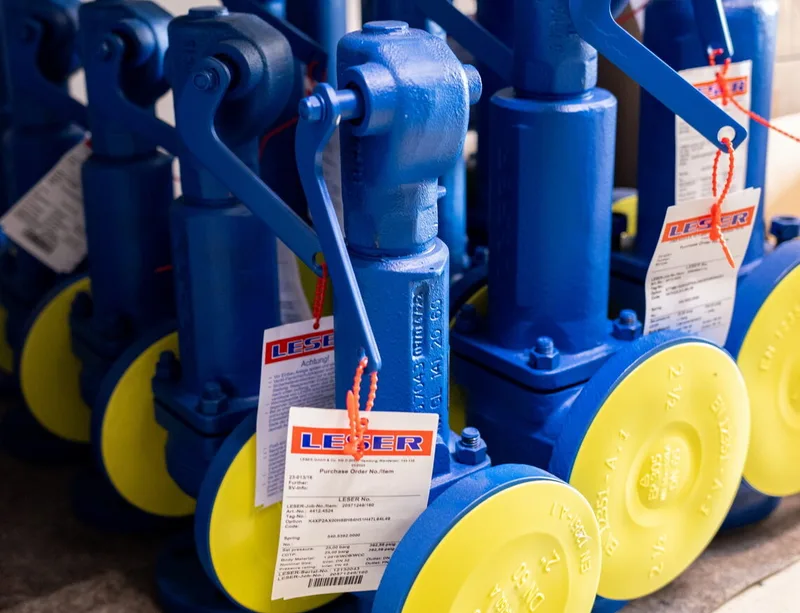
Warranty servicing of Leser safety valves
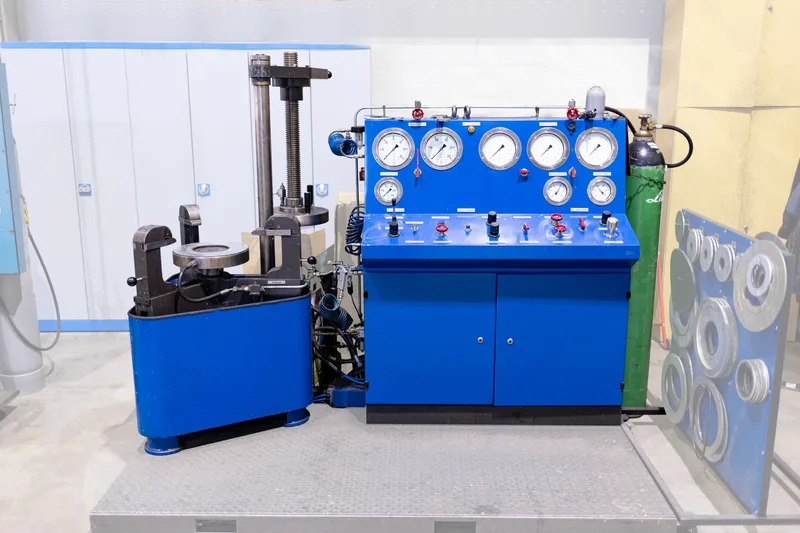
Maintenance, overhaul, calibration and pressure testing of safety valves
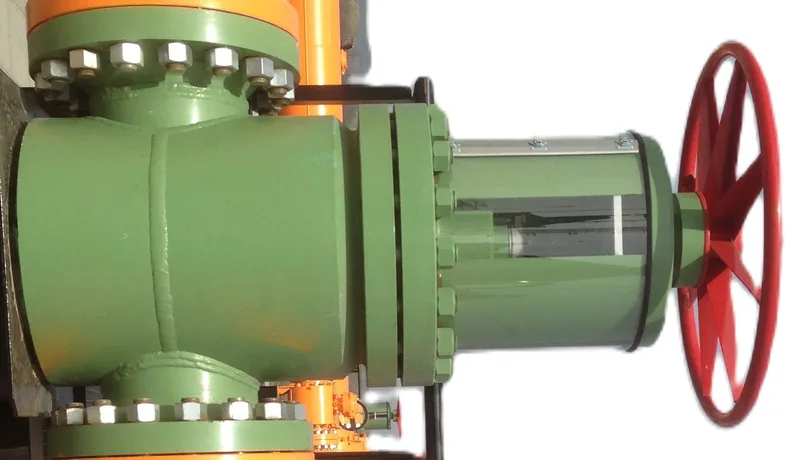
Maintenance and overhaul of control, shut-off and check valves and gate valves
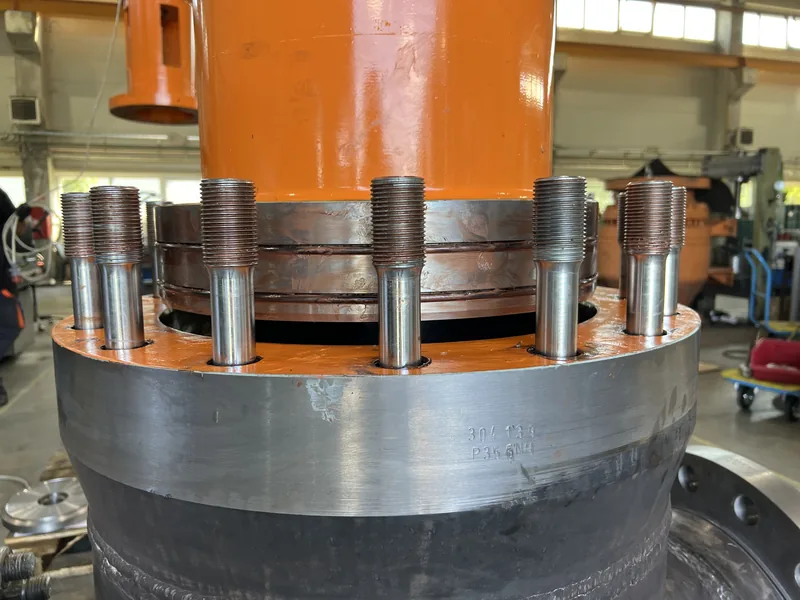
Troubleshooting
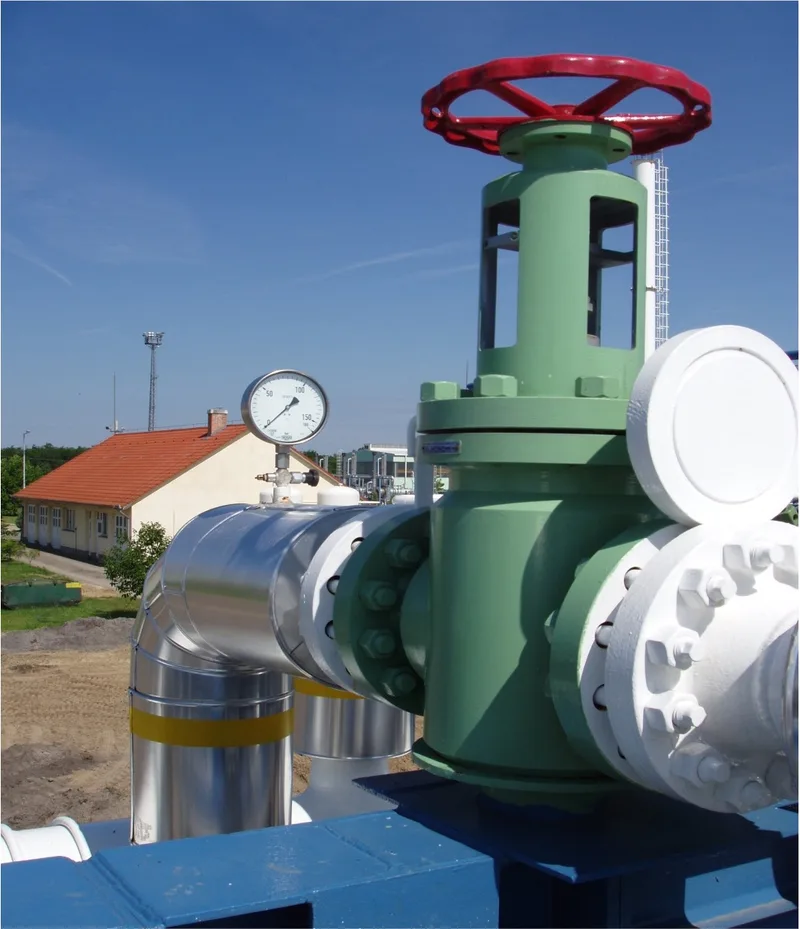
On-site testing with a mobile unit
Process
Our repair and overhaul process
Every valve that arrives goes through the same ten steps in our service workshop, from the intake documentation to the repair data sheet issued for the repaired valve.
-
01
Data recording and documentation
An intake worksheet is prepared for every valve: manufacturer, identifier, type, serial number, connection size, set pressure and condition. We record the data digitally, so a valve's previous repairs can be traced at any time by its serial number - with QR code identification on request.
-
02
Inspection before disassembly
Before disassembly, we check tightness and the condition of the connections, and carry out a functional test of the set pressure and the seal. The results are recorded on the worksheet.
-
03
Disassembly
The parts of each valve go into a separate container whose identifier is assigned to the worksheet, and the larger parts are labelled - so nothing can get mixed up, even during a large batch repair.
-
04
Inspection of parts
Every part is functionally inspected, and on that basis we specify the further work required: welding, machining or replacement.
-
05
Cleaning
Smaller parts are cleaned to bare metal by grinding or wire brushing, large valve bodies by grit blasting. Before assembly, every part undergoes chemical washing at 95 °C, following a grease- and oil-free procedure on request.
-
06
Machining of sealing surfaces
The discs of safety valves are lapped by hand on abrasive film bonded to a marble plate with 2 µm accuracy, with grit sizes of 60, 30, 15 and then 9 µm. Polishing is done with 1000-grit diamond paste.
The seats are machined with the same abrasives bonded to lapping discs: usually with an Efco Valva S1 machine, for gate valves with an Efco SL15 or HSL15, and for control valves with an Efco VSK2 grinding set.
-
07
Assembly and setting
After assembly, we set the set pressure and then check tightness.
-
08
Test station
Set pressure and tight shut-off are tested on six test benches, with nitrogen or inhibited water:
- 2 mobile units: nitrogen, up to a maximum of 160 bar depending on size, also suitable for on-site work
- Efco PS15: nitrogen up to 200 bar, or inhibited water
- Leser high-pressure bench: inhibited water, up to 600 bar
- Revalve bench: gate valves, shut-off, control and check valves; nitrogen up to 200 bar or inhibited water up to 600 bar
- Ventil low-pressure bench: low-pressure valves, breather valves, Protego products; air, up to 1000 mbar overpressure or 500 mbar vacuum
Tight shut-off is verified by a soap film test (mm/s) or a bubble test (to API 527, bubbles/minute).
-
09
External painting
For external painting we follow the customer's requirements: in our paint booth we apply the spray coating in the required number of coats and colour.
-
10
Documentation
After a successful set-pressure and tightness test, we issue a repair data sheet based on the worksheet, which is handed over to the customer together with the repaired safety valve.
Repairs on the plant site
On-site repairs essentially follow the same technology as workshop work, with the difference that we take the requirements of the plant site into account: in potentially explosive atmospheres we use pneumatic machines and non-sparking tools, and our staff hold occupational safety and fire safety qualifications.
The essential difference lies in how the set pressure is adjusted or checked on site - for this purpose we use one of two different methods:
- based on the spring characteristic, by measuring the spring force reserve
- by direct spring force measurement
For pneumatically controlled safety valves we use the built-in pneumatic cylinder; at high set pressures we measure the lifting force directly, using a hydraulic cylinder only.
Maintenance of pilot-operated safety valves
We undertake the maintenance of the control units belonging to pneumatic (electro-pneumatic) safety valves from Leser, Sempell, LDM and Bopp & Reuther, even on the plant site and while the plant is in operation.
First we assess the condition of the control unit using its self-test function - this determines which parts need replacing. To test the set pressure, we simulate the required pressure with a manual pressure booster. After recording the characteristic of the loading spring at two operating pressures, the current set pressure of the safety valve can be determined.